
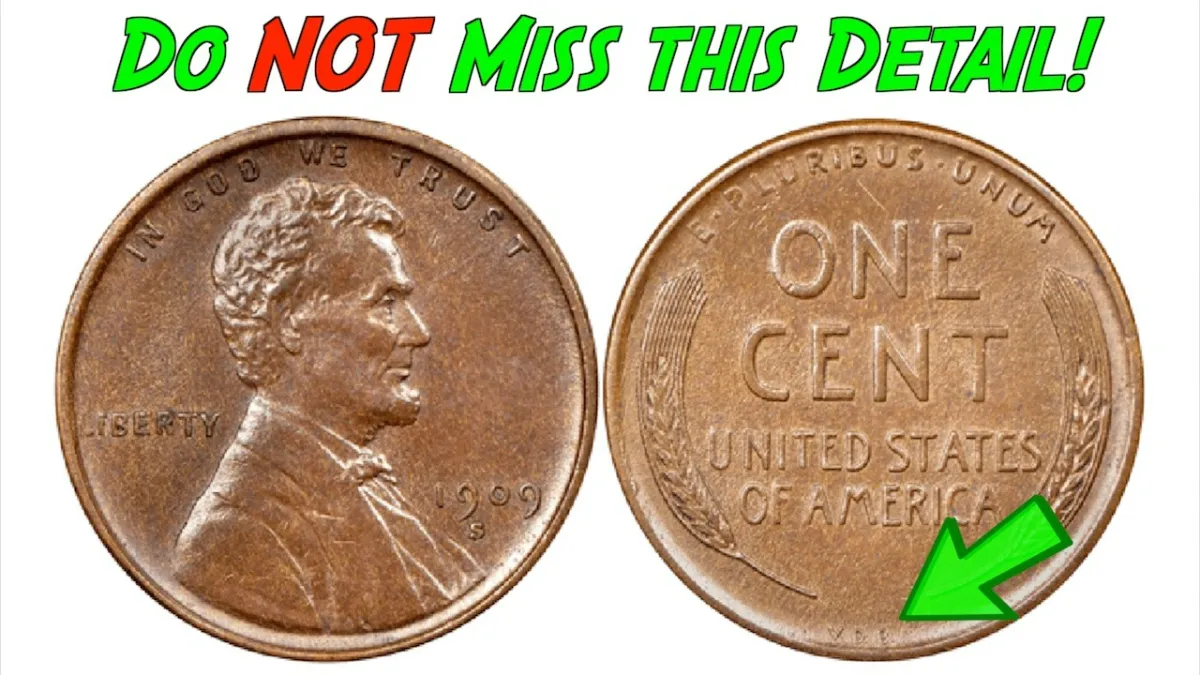
Wheat pennies have always held a special place in the world of coin collecting. Found in old jars, family collections, and inherited coin albums, these small copper coins often spark curiosity about their true worth. Over the past 10 years, interest in wheat pennies has remained strong, with some coins gaining value while others have stayed affordable and easy to collect.
This guide explains how wheat penny values have changed over the last decade in a clear, simple, and collector-friendly way.
What Are Wheat Pennies?
Wheat pennies, officially known as Lincoln Wheat Cents, were minted in the United States from 1909 to 1958. The front of the coin features Abraham Lincoln, while the back shows two wheat stalks. These pennies were part of everyday life for nearly 50 years, which is why many are still found today.
Although billions were produced, only certain dates, mint marks, and conditions make a wheat penny valuable.
How Wheat Penny Values Have Changed in the Last 10 Years
Over the past decade, wheat penny prices have shown steady movement rather than dramatic spikes. Common coins remain inexpensive, while rare and high-quality examples have seen noticeable growth.
Common Wheat Pennies
Most wheat pennies from the 1940s and 1950s fall into this category. These coins are widely available and are usually collected for enjoyment rather than investment.
- Heavily circulated coins are typically worth a few cents
- Cleaner, lightly circulated examples may sell for up to 10 cents
- Uncirculated coins can reach $1 to $5
Their value has increased slightly over the last 10 years, mainly due to rising copper prices and steady collector interest.
Semi-Key Date Wheat Pennies
Some wheat pennies are harder to find and have become more valuable over time. Coins such as the 1914-D, 1926-S, and 1931-S are popular among collectors.
Over the past decade, these coins have shown gradual price growth, especially in better condition. Depending on wear and preservation, they can range from tens to several hundred dollars.
Rare and Key Date Wheat Pennies
The strongest value growth in the last 10 years has been seen in rare and key date wheat pennies. Coins like the 1909-S VDB, 1914-D, 1922 No D, and the 1955 Doubled Die continue to attract serious collectors.

High-grade examples of these coins have sold for thousands or even tens of thousands of dollars, with prices steadily rising at major auctions.
What Affects the Value of Wheat Pennies?
Several factors determine why some wheat pennies are worth more than others.
Condition plays a major role. Coins with less wear and sharper details are far more valuable.
Mint marks matter because coins from Denver and San Francisco are often rarer.
Errors and varieties, such as doubled dies or missing mint marks, can greatly increase value.
Collector demand remains strong, helping prices stay stable or rise over time.

Are Wheat Pennies a Good Investment?
Over the last 10 years, wheat pennies have proven to be reliable collectibles rather than quick profit coins. Common pieces offer stability, while rare and high-quality examples have shown consistent appreciation.
Collectors who focus on rarity, condition, and authenticity tend to see the best long-term results.
How to Check the Value of Your Wheat Pennies
To estimate the value of your wheat pennies, start by checking the date and mint mark. Examine the coin’s condition and look closely for unusual features or errors. Comparing recent auction prices can give a clearer idea of current market value. For rare coins, professional grading can help confirm authenticity and worth.
Final Thoughts
The value of wheat pennies over the past 10 years shows that these classic coins continue to attract collectors of all levels. While most are modestly priced, rare and well-preserved examples have grown steadily in value. Whether collected for history or investment, wheat pennies remain a rewarding and fascinating part of U.S. coin collecting.