
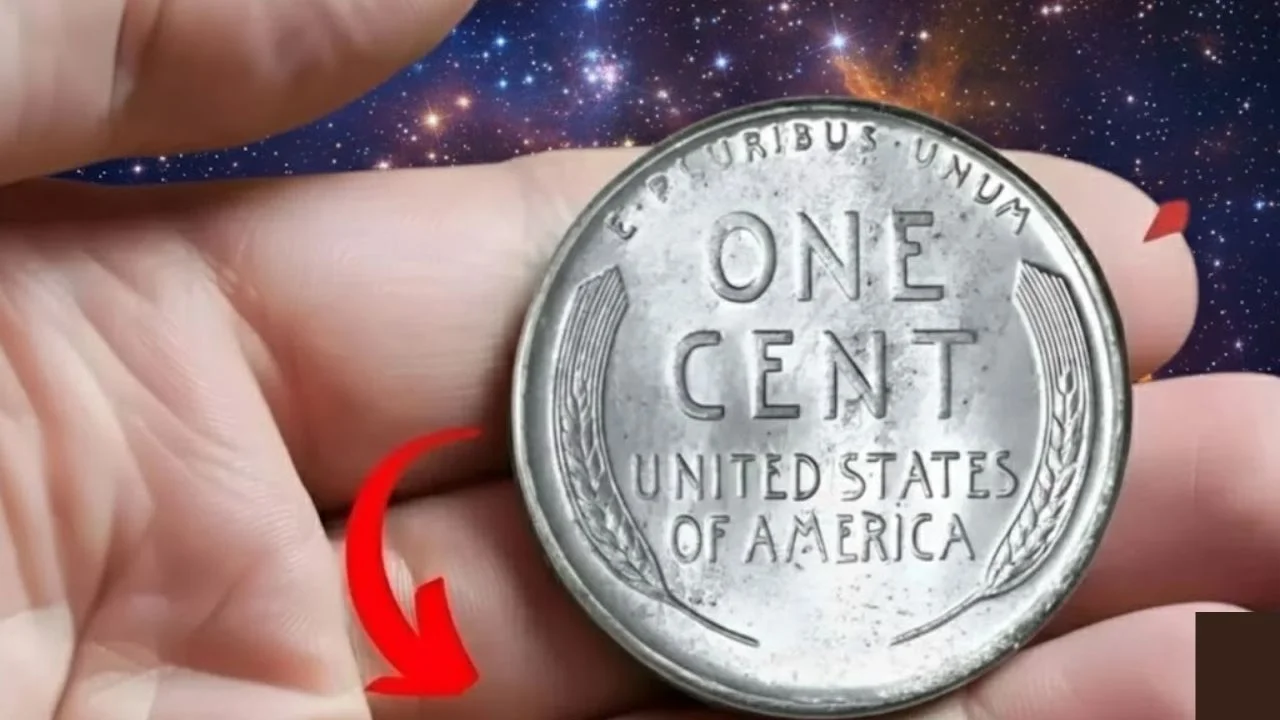
Wheat pennies have fascinated collectors for generations. Often found in old coin jars or passed down through families, these small copper coins carry a rich history and, in some cases, surprising value. Understanding how wheat penny values have changed through the years helps collectors appreciate which coins are common, which are scarce, and which are truly special.
What Are Wheat Pennies?
Wheat pennies, officially known as Lincoln Wheat Cents, were minted in the United States from 1909 to 1958. They feature Abraham Lincoln on the obverse and two wheat ears on the reverse. Designed to honor Lincoln’s 100th birth anniversary, these coins remained in circulation for nearly half a century.
While billions were produced, only certain years and mint marks are considered valuable today.
Early Years (1909–1919)
The earliest wheat pennies are among the most desirable, especially those with low mintages. The 1909-S VDB is the most famous and valuable wheat penny, prized for its rarity and historical importance. Other early issues from this period are also popular with collectors.
Coins from this era tend to hold strong value, particularly in higher grades.
The 1920s and 1930s
Wheat pennies minted during the 1920s and early 1930s often had lower production numbers, making some of them harder to find today. Coins such as the 1914-D, 1922 No D, and 1931-S are well known among collectors.
During the Great Depression, fewer coins were produced, which has helped maintain their value over time.

World War II Era (1940–1945)
During World War II, the U.S. Mint made changes to conserve copper. In 1943, pennies were struck in steel instead of copper. However, a small number of 1943 bronze wheat pennies were accidentally minted, becoming some of the rarest and most valuable coins in U.S. history.
Standard copper wheat pennies from the 1940s remain common, though they still carry modest value.

Post-War Years (1946–1958)
Wheat pennies from the late 1940s and 1950s are widely available. Most were heavily circulated, which keeps their value low. However, uncirculated examples and coins with errors can still be worth significantly more than face value.
These coins are often the starting point for new collectors.
Factors That Affect Wheat Penny Values
Several factors influence how much a wheat penny is worth:
- Condition: Coins with less wear are more valuable
- Mint Mark: Denver and San Francisco issues are often rarer
- Errors and Varieties: Doubling, missing mint marks, and striking errors increase value
- Collector Demand: Popular dates tend to hold stronger prices
How to Evaluate Your Wheat Pennies
To determine a wheat penny’s value, examine the date, mint mark, and overall condition. Look closely for unusual features or errors. Comparing recent auction results can provide insight into current market prices. For rare coins, professional grading is often recommended.
Final Thoughts
Wheat penny values through the years show a clear pattern: common coins remain affordable, while rare and well-preserved examples continue to grow in value. Whether you are a beginner or an experienced collector, understanding these trends makes collecting wheat pennies both enjoyable and rewarding.